Auracast in 2026: What Actually Works in the UK and Europe
Auracast has spent three years being demonstrated at trade shows and roughly eighteen months quietly turning up in real places. In 2026 the balance tipped: there are now British railway stations, German airports, cathedrals and theatres broadcasting audio that any compatible pair of earbuds or hearing aids can simply tune into, no pairing required. It is the most genuinely useful wireless audio development in a decade, and almost nobody knows it is there. Here is the state of play.
What Auracast actually is
Auracast is the broadcast half of Bluetooth LE Audio. Classic Bluetooth pairs one transmitter to one receiver; Auracast lets a single transmitter stream to an unlimited number of receivers within range, without any of them going through pairing. It is built from a stack of LE profiles — Basic Audio Profile, Public Broadcast Profile, Common Audio Profile, Telephony and Media Audio Profile, Hearing Access Profile, plus the Broadcast Audio Scan Service and Published Audio Capabilities Service. Transmitters advertise metadata about each stream, including its name, content type and language, so a venue can run English, German and audio-description channels simultaneously and let you pick. Your phone acts as the assistant that finds and selects streams for your earbuds.
Where it already works in Britain and Europe
This is the part that has changed. Bristol Temple Meads was used as a testbed in 2025 through its station innovation zone, the installation stayed after the trial, and in 2026 it broadcasts translated announcements alongside English ones. In July 2026 Brighton station received a permanent Auracast installation, a first for UK rail. Frankfurt Airport ran a trial deployment in January 2026 streaming gate announcements directly to passengers' own devices. St Paul's Cathedral has an installation supported by GN, and Sydney Opera House deployed systems in its Playhouse, Drama Theatre and Studio. At EUHA 2025 in Germany, Bettear ran simultaneous German and English interpretation to journalists' own hearing aids and earbuds.
The hearing-aid story is the real story
Strip away the consumer-electronics framing and Auracast is an accessibility technology that happens to be useful to everyone. It replaces the induction loop, which required special seating, dedicated hardware and a technology most venues stopped maintaining years ago. With Auracast, someone with hearing loss walks in wearing their own aids, selects the venue's stream and hears clean audio anywhere in the building, including the lobby. ReSound, Starkey, GN, Signia and Oticon all ship compatible hearing aids in 2026. Infrastructure comes from Ampetronic and Listen Technologies, Bettear, GN and others, and venues consistently report the same thing: one system now serves both assistive and general listening needs.
Which consumer products can receive it today
Fewer than the marketing implies, but the list is growing fast. Among earbuds, the Sennheiser Momentum True Wireless 4 has carried LC3, LE Audio and Auracast since 2024. Its replacement, the Sennheiser Momentum True Wireless 5, shipped from 3 September 2026 with Bluetooth 6.0 and the same capability promised through a firmware update rather than at launch — buyers will not need new hardware. On the over-ear side, the Sony WH-1000XM6 lists LC3 and Bluetooth LE Audio among its supported standards, while the Sennheiser Momentum 5 Wireless ships on Bluetooth 5.4 and is engineered for Bluetooth 6.0 with LE Audio arriving by firmware later. Windows 11 added LE Audio sharing and Auracast features in a February 2026 update.
Ready versus enabled: the trap to avoid
The single most useful thing to understand before buying is the difference between two words manufacturers use interchangeably and should not. Auracast-ready means the silicon inside can support broadcast audio, but the firmware or certification has not been activated. Auracast-enabled means the feature is live, tested and certified. Plenty of headphones sold in 2025 and 2026 shipped ready rather than enabled, with the capability promised in an update that may or may not have landed by the time you unbox them. Sennheiser has been unusually transparent about this with the Momentum True Wireless 5, stating plainly that the functionality arrives by firmware. Check the current status before you pay, not the box copy.
How to actually try it
Three steps. First, confirm your earbuds or hearing aids are enabled rather than merely ready, and update the firmware. Second, look for the Auracast symbol at the venue — it is increasingly on posters at station concourses, theatre entrances and information desks. Third, use the Scan to Listen route where offered: the standard supports Broadcast Audio URIs, so a QR code or NFC tap takes you straight to a specific stream rather than making you hunt through a list. Failing that, open your phone's Bluetooth audio-sharing menu and scan. Silent televisions in gyms, waiting rooms and airport bars are the other everyday use, and increasingly the one people discover first.
What is still missing
Coverage remains patchy outside major cities, and that is the honest limitation: a technology that works brilliantly at Brighton station is no use at your local one. Discovery is still clumsy on most phones, buried in submenus rather than surfaced when a stream is in range. Firmware promises have a poor track record across the industry generally. And the naming does not help — most buyers have no idea whether their headphones support LE Audio, let alone Auracast. What is no longer in doubt is direction of travel: every month more venues switch it on, and the device ecosystem has stopped being a list of concepts and started being a list of products you can buy.
Pros
Cons
Comparison
Sennheiser Momentum True Wireless 5
Bluetooth 6.0 earbuds shipping from September 2026, with LE Audio and Auracast arriving by firmware rather than at launch. Replaceable batteries in both buds and case make them a long-term bet.
Sennheiser Momentum True Wireless 4
The outgoing model, and notable because it has supported LC3, LE Audio and Auracast since 2024. Now heavily discounted, which makes it the cheapest reliable route into broadcast audio.
Sony WH-1000XM6
Sony's flagship over-ears list LC3 and Bluetooth LE Audio among supported standards alongside LDAC, making them one of the few mainstream cans ready for station and venue broadcasts.
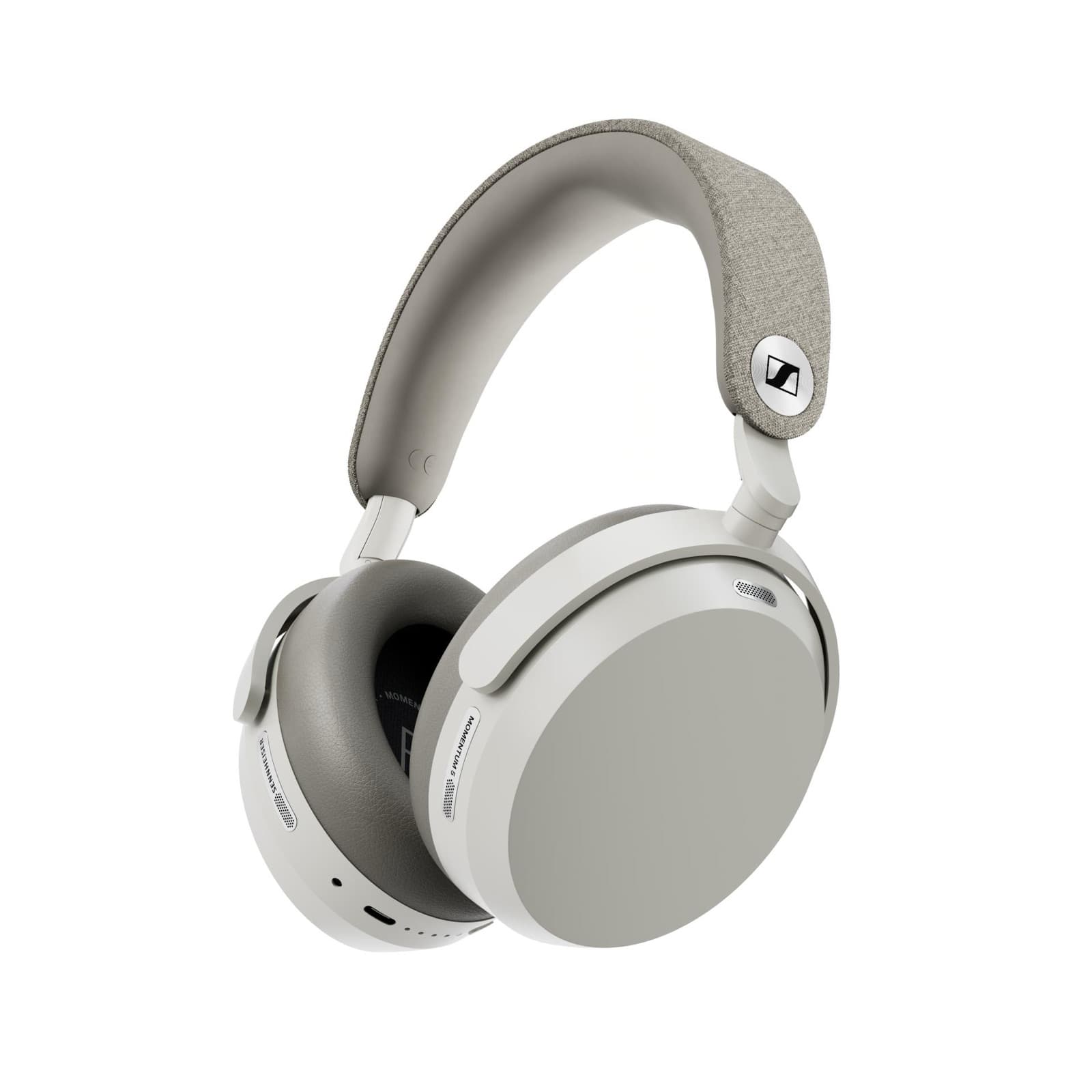
Sennheiser Momentum 5 Wireless
Ships on Bluetooth 5.4 but is engineered for Bluetooth 6.0, with LE Audio promised through a firmware update. A clear example of buying ready hardware and waiting for the feature.
FAQ
Usually your phone only acts as the assistant that finds and selects streams, so a reasonably recent handset with Bluetooth LE will do. Windows 11 added LE Audio sharing and Auracast features in a February 2026 update for laptops.
Auracast has crossed the line from concept to infrastructure in Europe, and the accessibility case alone justifies it. The catch for buyers is simple: check that your next headphones are Auracast-enabled rather than merely ready, because the hardware is cheap to include and the firmware is where promises go to die. When it works, it feels like public Wi-Fi for sound.