Energy-Saving Smart Home Kit Europeans Are Buying in 2026
The European smart home has stopped being about colour-changing bulbs and started being about the heating bill. Dynamic electricity tariffs are becoming the default structure in several markets, heat pumps are going into millions of homes, and the Matter standard has finally grown up enough to talk to a battery or a boiler. The result is a shopping list that looks nothing like it did in 2022. Here is what is genuinely selling, and what is genuinely worth it.
Why this is suddenly the interesting category
Two things changed at once. Time-of-use and dynamic electricity tariffs, once a niche for enthusiasts, are now widely available across Europe and becoming the standard structure in several markets, which means when you use power matters almost as much as how much you use. At the same time, heat pumps have moved from novelty to mainstream installation, and a heat pump paired with solar, a battery and a variable tariff is an optimisation problem no householder wants to solve manually. Smart home kit has become the tool that solves it, and that is a far stronger sales pitch than a light that turns purple.
Smart radiator valves: the cheapest real saving
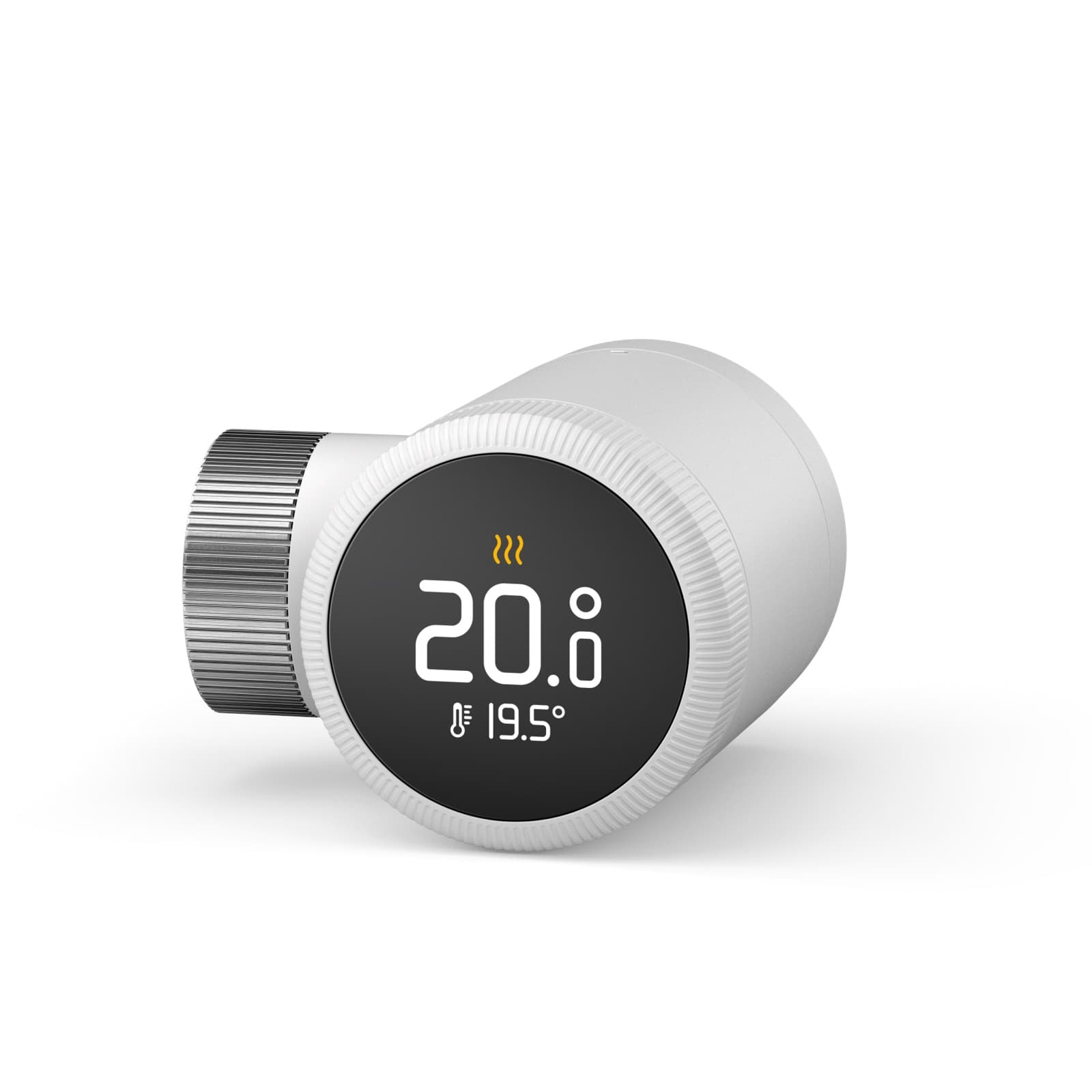
For homes with wet radiator systems — which is most of northern Europe — a smart thermostatic radiator valve is the single most cost-effective upgrade available. It gives genuine room-by-room control rather than one hallway thermostat deciding the fate of the whole house. The tado° Smart Radiator Thermostat X is the current standout: it runs on Thread, supports Matter natively across Apple Home, Amazon Alexa, Google Home and Samsung SmartThings, and works as a standalone unit without a separate bridge for basic control. Temperature accuracy is typically within half a degree, the rotary dial means you can adjust without reaching for a phone, and a pair of AA cells lasts around eighteen months.
The platform question, and who locks you in
This is where most buyers get it wrong. The Eve Thermo in its Matter version is the most interoperable valve on the market, running on Thread with entirely local processing and no account required — ideal for Apple Home households, provided you already own a Thread border router such as an Apple TV or HomePod mini. The TP-Link Kasa KE100 brings Matter support at the budget end. By contrast, the Drayton Wiser Smart TRV needs its own proprietary hub and supports neither Matter nor Thread, and the Hive Smart Thermostatic Radiator Valve requires a Hive Hub. Both are fine if you already live in those ecosystems and a mistake if you do not.
Matter 1.4 quietly became an energy standard
The version of Matter now rolling out across products is the one that matters for bills. Matter 1.4 added device types for solar panels, batteries, heat pumps and water heaters, turning a home-automation protocol into something that can actually orchestrate an energy system. It also introduced Mounted On/Off Control and Mounted Dimmable Load for permanently installed switches and outlets. The most consequential addition is tariff awareness: appliances can fetch grid price schedules directly, so a washing machine can defer a cycle through a peak window, or a home battery can discharge when export rates are highest. That is the plumbing behind almost every European energy-saving product launching this year.
Monitoring: knowing where the money actually goes
Before optimising anything, most households need to find out what is drawing power, and this is where energy-monitoring smart plugs and clamp meters earn their place. Per-socket monitoring reveals the genuinely surprising offenders — the second fridge in the garage, the tumble dryer, the games console left in standby. Whole-house monitoring at the consumer unit gives the bigger picture and is what a home energy management system needs to make sensible decisions. The Netatmo Smart Radiator Valve deserves a mention here too: rather than a separate bridge, its thermostat acts as the hub, and its app produces a detailed per-room breakdown of heating usage over time alongside an auto-adaptation feature that learns a home's thermal behaviour.
Heat pumps and the shift to off-peak
An energy-aware heat pump is the centrepiece of the 2026 European setup. It coordinates with solar panels, inverters, batteries, smart meters, a home energy management system and a dynamic tariff, and its most useful trick is demand shifting: pre-heating the house or the hot water cylinder when electricity is cheap and coasting through expensive periods. A buffer tank effectively functions as a thermal battery, storing heat rather than electrons. Forecast-driven control is the next layer, adjusting output against weather and price data instead of reacting after the fact. If you are installing a heat pump now, the control system is not an accessory — it is where the running-cost saving actually comes from.
What is overhyped, and what to skip
Be sceptical of headline saving figures. Manufacturers quote best-case percentages under ideal conditions, and tado° for example claims energy savings of around 22 per cent, which is a marketing figure rather than a promise for your particular draughty Victorian terrace. Watch for subscriptions: several of tado°'s cleverest features, including adaptive heating, geofencing-driven pre-heating and the detailed energy reports, sit behind a monthly AI Assist plan. Skip valves that lock you into a hub you have no other use for. Skip whole-home rip-and-replace projects; start with the coldest, least-used room. And skip anything that cannot survive your internet going down — offline schedules matter.
Pros
Cons
Comparison
tado° Smart Radiator Thermostat X
The standout smart valve in Europe: Thread and Matter native, standalone operation without a bridge, half-degree accuracy and around eighteen months on two AA cells. Best features need a subscription.
Eve Thermo
The most interoperable valve going, running Thread with fully local processing and no account required. Superb for Apple Home users, provided you already own a Thread border router.
Netatmo Smart Radiator Valve
Uses the Netatmo thermostat as its hub rather than a separate box, and pairs handsome hardware with genuinely detailed per-room energy reporting and auto-adaptation to your home's thermal behaviour.
TP-Link Kasa KE100
The budget entry point with Matter support built in, working with major platforms without a proprietary hub. Fewer refinements than the premium options, but it does the core job.
Drayton Wiser Smart TRV
A UK-made valve with polished scheduling and per-radiator energy monitoring in the Wiser app. Requires the proprietary Wiser hub and supports neither Matter nor Thread.
Hive Smart Thermostatic Radiator Valve
The obvious pick if you already run a Hive Hub, since boiler, lights and radiators then share one app. A harder sell from scratch given the hub requirement and outlay.
FAQ
In practice, yes, mainly by not heating empty rooms and by stopping the boiler firing for a house nobody is in. Treat manufacturer percentages as best-case marketing figures rather than a forecast for your property.
The European energy smart home in 2026 is a practical purchase rather than a gadget habit. Start with smart valves in the rooms nobody sits in, add monitoring so you stop guessing, and pick Matter and Thread kit so you are not trapped in a hub you regret. Just read the subscription small print before you commit.