Salomon XT-Evo Review: The XT-6 Finally Gets an Heir
Salomon has spent four years quietly becoming a fashion brand without admitting it. The XT-6 stopped being a trail shoe somewhere around 2021 and became the default footwear of European creative directors, and the company has been carefully not replacing it ever since. That changed on 2 September 2026. The Salomon XT-Evo is the first design the brand has openly positioned as the XT-6's successor, and it arrived exactly as these things now do: two Kith-exclusive colourways first, then a proper autumn-winter rollout in three launch options. Here is what is actually new.
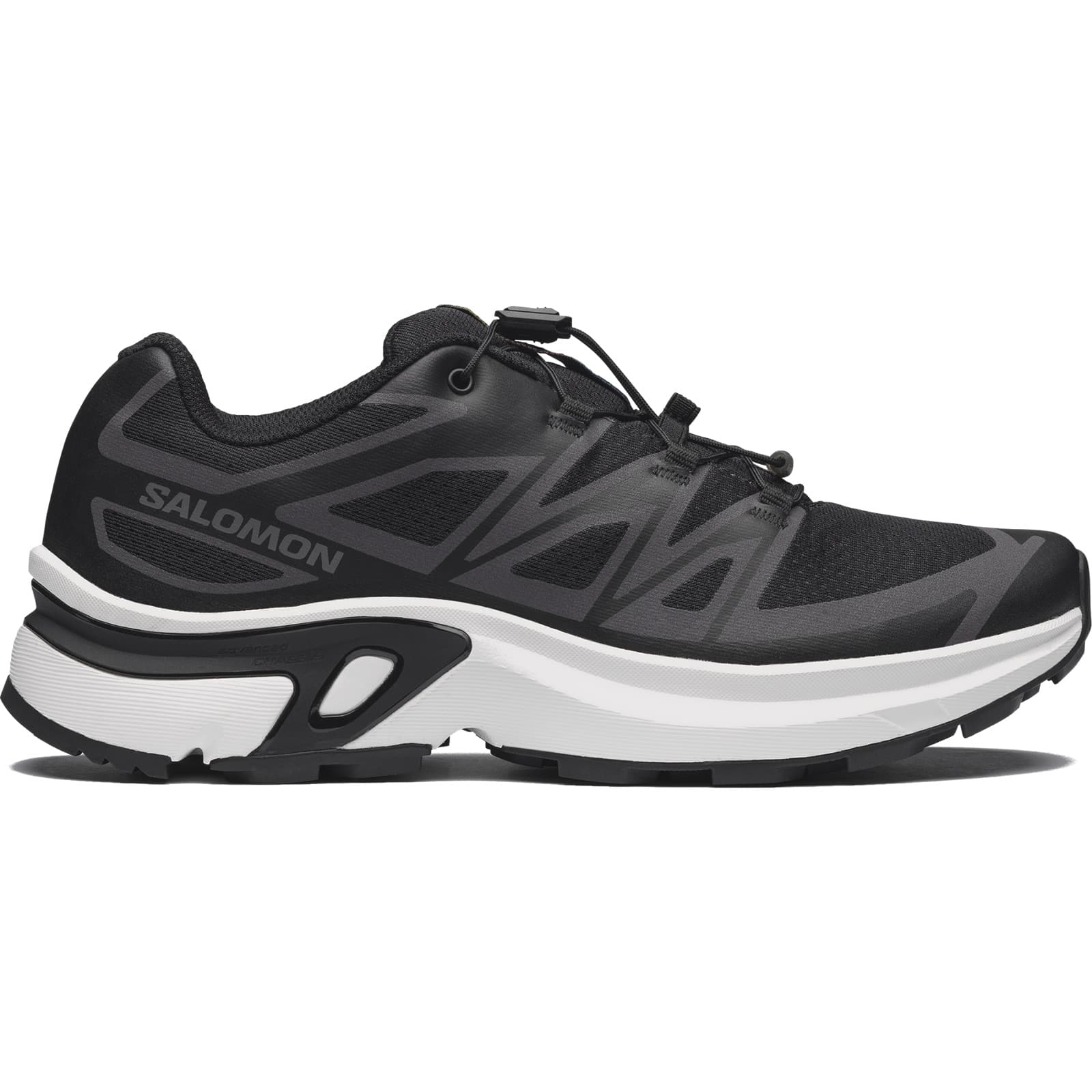
The need-to-know: a successor, not a replacement
Salomon is not retiring the XT-6. The older shoe now sits formally in the sportstyle category — technical footwear with trail DNA, sold for city use — and the Salomon XT-Evo joins it rather than pushing it out. The launch went live in early September 2026 as part of Salomon's autumn and winter offering, so it is a full seasonal product across European retail rather than a limited collaboration drop. Three colourways led the release, including a black-and-red version that deliberately references the original 2013 XT-6. Pricing sits in premium sportstyle territory, above mainstream terrace trainers and below designer collaborations. If you have been waiting for Salomon to do something new with the shape, this is that.
Key specs and materials, verified
What Salomon and early coverage confirm about the build:
- Upper: the most aggressive in the XT family — a moulded TPU shell that wraps the entire front of the shoe, over a technical mesh base
- Lacing: Quicklace, the one-pull speed lacing system carried across from the rest of the XT line
- Chassis: Agile Chassis System, the rigid stabilising structure Salomon has used since the original XT-6
- Outsole: Contagrip rubber, the compound originally developed for soft and muddy ground
- Colourways at launch: three, including a black-and-red tribute to the 2013 XT-6
- Category: unisex sportstyle, sold for urban wear rather than as a running shoe
- Availability: Salomon's own stores and site plus sportstyle retailers across the UK and Europe from early September 2026
How the XT-Evo differs from the XT-6
Under the skin, less than you might expect. The Salomon XT-Evo keeps the Agile Chassis System and the Contagrip outsole, which are the two things that make an XT feel like an XT: a stiff, stabilising spine that stops the foot rolling, and a rubber compound with real bite. The change is almost entirely in the upper. Where the XT-6 layers thin welded overlays over mesh, the XT-Evo wraps a sculpted TPU shell around the forefoot, giving the shoe a harder, more armoured silhouette that reads as movement rather than as heritage. The practical consequence is a more structured, more protective front end — and a shoe that looks considerably less subtle in a pub. Salomon has been explicit that this is an intentional departure rather than a facelift.
What the Salomon XT-Evo nails
Fit security, which is the underrated reason Salomon caught on in cities at all. Quicklace is genuinely faster than laces and locks the midfoot evenly rather than in bands, and the ACS structure means the shoe does not twist when you cut across a pavement. Contagrip remains one of the better wet-weather rubbers in any trainer, which matters more than fashion credentials in a British autumn. The TPU shell adds real abrasion protection over the toe, an area where the XT-6 has always scuffed. And the styling does what Salomon needed it to do: it moves the line forward without abandoning the signature — the chunky heel counter, the lace pocket, the technical mesh — that made the XT-6 recognisable at fifty paces.
Where the Salomon XT-Evo trips up
It is a loud shoe. The TPU shell is the most assertive design Salomon has put on a lifestyle silhouette, and it will not disappear into a wardrobe the way a black XT-6 does. The XT platform has never been especially soft either: the chassis prioritises stability over cushioning, so all-day walking comfort trails behind a modern foam-heavy sneaker, and Salomon uppers historically stiffen in cold weather. Fit runs on the snug, narrow side across the XT range, with a pointed toe that broader feet notice. Detailed published specs are also thin at launch — Salomon has not put stack height or weight figures on the shoe — so anyone who buys on numbers is buying on faith for now.
Buy it if, skip it if
Buy the Salomon XT-Evo if you already wear XT-6s and want the next thing rather than another colourway, if you like technical footwear that looks technical, and if grip and lockdown matter to you in real weather. Buy it if you want a Salomon that has not already been worn by everyone on your commute. Skip it if you want something discreet, if you need a soft, cushioned ride for long days on your feet, or if you have a wide forefoot — the XT last has never been generous. And skip it if you were hoping for a trail shoe: this is a sportstyle product, and Salomon's running range is where the actual running shoes live.
Worth considering instead
The Salomon XT-6 is still the answer if you want the classic shape, the wider colour choice and a slightly less shouty profile — and it now often turns up discounted as attention shifts. The Salomon XT-MM6, the Maison Margiela MM6 collaboration, takes the same chassis in a deliberately fashion-led direction for anyone who wants the design-house version. Outside Salomon, the ASICS GEL-Kayano 14 covers the tech-runner look with a softer ride and a far more forgiving fit, while the Nike Zoom Vomero 5 remains the entry point to the category and the most comfortable of the three for all-day wear.
Pros
- Quicklace and the Agile Chassis System give unusually secure midfoot lockdown
- Contagrip outsole is genuinely capable in wet European weather
- Moulded TPU forefoot shell adds abrasion protection the XT-6 lacks
- Three launch colourways, including a black-and-red nod to the 2013 original
- A real design move forward rather than another XT-6 colour drop
- Full seasonal release across European retail, not a limited collaboration
Cons
- Visually loud — the TPU shell is not a quiet shoe
- XT chassis prioritises stability over cushioning, so all-day comfort lags modern foam sneakers
- Snug, narrow last with a pointed toe that broader feet will notice
- Salomon has not published stack height or weight figures at launch
Comparison
Salomon XT-6
The original, now formally a sportstyle shoe. Same chassis and Contagrip, softer visual profile, far more colourways, and increasingly easy to find as attention moves on.
Salomon XT-MM6
The Maison Margiela MM6 version of the XT platform, aimed squarely at lifestyle wear. Buy it if you want the fashion-house treatment rather than Salomon's own in-house design.
ASICS GEL-Kayano 14
The other tech-runner everyone is wearing, with GEL cushioning, a medium fit and a much softer feel underfoot. Better for long walking days, worse in mud.
Nike Zoom Vomero 5
The most comfortable of the retro tech-runners at roughly 316 g in the lab, with a flexible ride. The easy choice if the XT-Evo's structure feels like overkill.
FAQ
No. Salomon sells it as unisex sportstyle, meaning trail-derived construction built for urban wear. If you want to run, the brand's Genesis, Aero Glide and S/Lab lines are the actual performance range.
The Salomon XT-Evo is the first honest attempt to move the XT story forward rather than recolour it. The chassis and outsole that made the XT-6 worth wearing are intact; the upper is new, harder and considerably more demanding of your wardrobe. Buy it if you want the newest technical Salomon and do not mind being noticed. If you want quiet, buy the XT-6 while it is still everywhere.