Samsung Galaxy Z Fold 8 Review: The Passport-Shaped Fold
Book-style foldables have spent six years being the same phone: a tall, narrow bar that opens into a tall, narrow tablet. Samsung finally broke the shape. The Samsung Galaxy Z Fold 8, unveiled at Galaxy Unpacked in London on 22 July 2026 and on sale from 7 August, is roughly the proportions of a passport, weighs 201g and opens to a 4:3 screen. Next to it sits the Galaxy Z Fold 8 Ultra, which is the proper successor to last year's Fold. Two very different phones, one confusing name. Here is how to tell them apart.
The need-to-know: two Folds, one launch
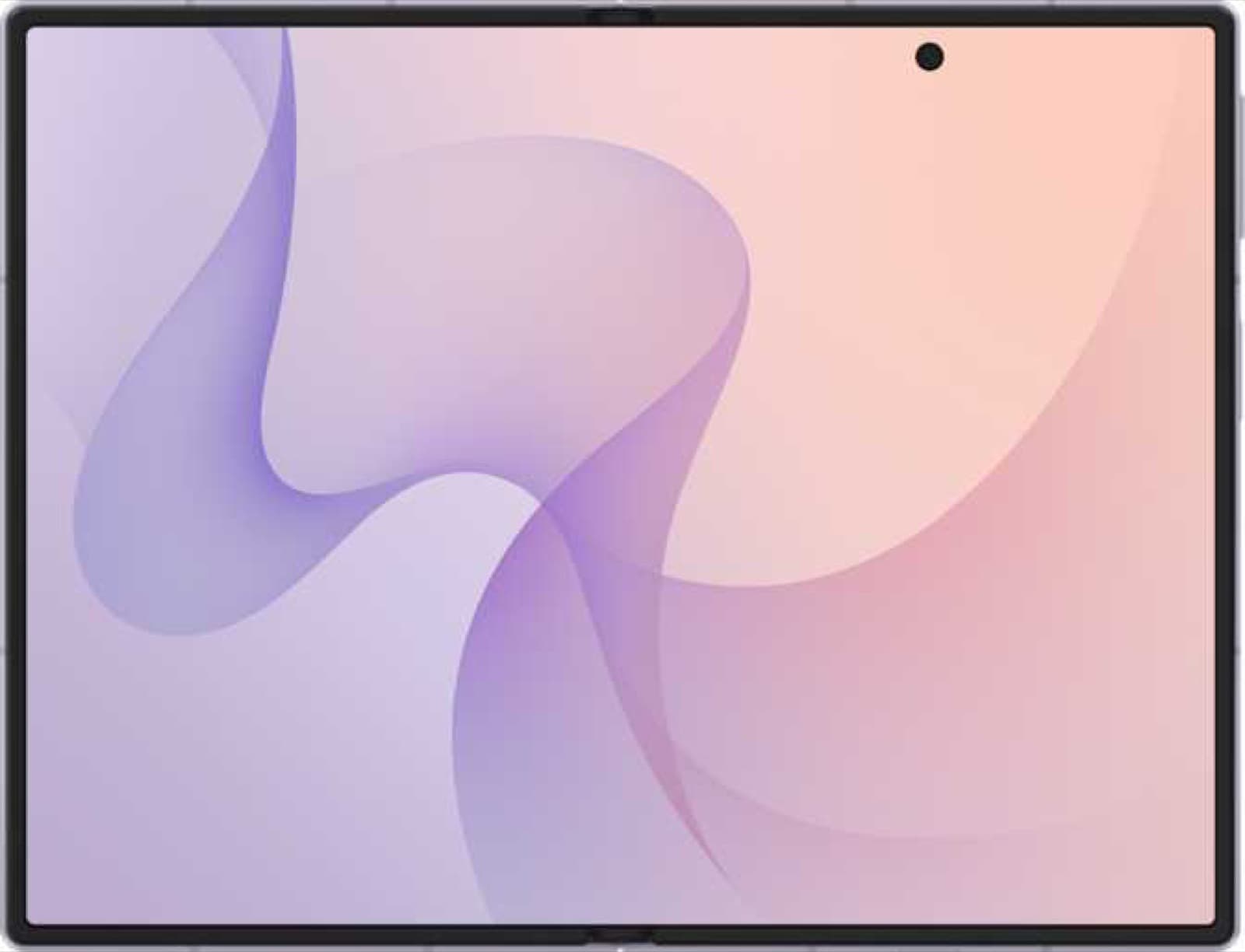
Read the naming carefully, because Samsung inverted it. The Samsung Galaxy Z Fold 8 is the new wide one: a 5.5-inch cover screen in a 10:16 shape, opening to a 7.6-inch 4:3 inner panel, at 201g. The Galaxy Z Fold 8 Ultra is the continuation of the old line: a 6.5-inch 21:9 cover screen, an 8.0-inch inner display and 215g, the same weight as the Z Fold 7. Both went on sale on 7 August 2026 across the UK and Europe, both start at 256GB with 12GB of RAM, and both offer a 1TB tier with 16GB. The clamshell Galaxy Z Flip 8 launched on the same day. If you want the lightest book-style foldable sold in Europe, the standard Samsung Galaxy Z Fold 8 is it.
Key specs, verified
- Z Fold 8 displays: 5.5-inch cover at 1972x1248 in 10:16; 7.6-inch inner at 2448x1848 in 4:3
- Z Fold 8 Ultra displays: 6.5-inch cover at 2520x1080 in 21:9; 8.0-inch inner at 2504x2256, up to 3,000 nits and around 15 per cent brighter than the Z Fold 7
- Chip: Snapdragon 8 Elite Gen 5 for Galaxy on both models, worldwide
- Z Fold 8 cameras: dual rear, 50MP main plus 50MP ultra-wide
- Z Fold 8 Ultra cameras: 200MP main, upgraded 50MP ultra-wide, 10MP telephoto, two 10MP front cameras
- Batteries: 4,800mAh on the Z Fold 8 and 5,000mAh on the Ultra, both silicon-carbon, a first for the line
- Charging: 45W wired, up from 25W, plus 20W wireless and 4.5W reverse wireless
- Build: aluminium frame with Flex Titanium, a titanium-alloy layer that stiffens the panel and softens the crease
- Software: Android 17 with One UI 9, seven years of OS and security updates
What changed versus the Galaxy Z Fold 7
More than usual. The obvious change is that there are now two shapes instead of one. Underneath, charging finally moved: the Galaxy Z Fold 4 through Z Fold 7 all shipped a 4,400mAh cell with 25W wired and 15W wireless, and the Samsung Galaxy Z Fold 8 series jumps to 4,800 or 5,000mAh with 45W wired and 20W wireless, on silicon-carbon chemistry for the first time. The Ultra adds a dual-path charging architecture Samsung says spreads power more evenly. The inner display stack changed too, thickening to 45 microns on the standard model and 60 on the wide one, and Flex Titanium is claimed to make the crease nearly invisible. The Ultra's ultra-wide camera steps up to 50MP; the 200MP main and 10MP telephoto carry over.
What the Galaxy Z Fold 8 nails
Weight and shape. At 201g the wide Samsung Galaxy Z Fold 8 undercuts every contemporary book-style foldable, which sit between roughly 217g and 226g, and it undercuts conventional flagship slabs including Samsung's own Galaxy S26 Ultra. That is a genuine shift: the usual foldable trade-off has been carrying a heavier phone for a bigger screen, and this one removes half the bargain. Reviewers were consistent that the 4:3 inner panel is far better for reading, documents and web pages than the old squarish-but-tall shape, and that the crease is the least visible Samsung has produced. The colour range drew unusual praise, with the online-exclusive Pistachio reportedly outselling expectations. Early demand ran roughly triple the Z Fold 7's in Korea.
Where it trips up
The compromises are real and they land mostly on the cheaper, wider model. The Samsung Galaxy Z Fold 8 carries only two rear cameras, so there is no dedicated telephoto at all, and it drops Flex Mode, the half-folded laptop posture that is one of the form factor's few unique tricks. The 4:3 screen is superb for text and poor for video, where you get thick letterboxing. Neither model supports the S Pen, which rivals now match with active stylus input on both screens, and neither gets the Privacy Display from the S26 Ultra. Ingress protection is IP48, which handles dust poorly compared with the IP68 and IP69 ratings some rivals now claim. iFixit's teardown was critical of the fragile inner screen and the hinge.
Buy it if, skip it if
Buy the wide Samsung Galaxy Z Fold 8 if you read, write and browse on your phone more than you photograph or watch, and if weight has been the thing stopping you going foldable. Buy the Galaxy Z Fold 8 Ultra instead if you want the 200MP camera, a telephoto lens, the brighter 8-inch panel and a cover screen shaped like a normal phone. Skip both if you watch a lot of video on the inner screen, if you need serious dust resistance for building sites or beaches, or if you want stylus input. And skip if you own a Z Fold 7 and are happy: the charging and shape changes are nice, not necessary.
Worth considering instead
Europe now has a competitive foldable market, which was not true two years ago. Honor sells a book-style rival in the UK, Germany, France, Spain and Italy that beats Samsung on battery, charging and ingress protection. Samsung's own clamshell is the cheaper way into folding glass. And if you are only after a big screen rather than a folding one, a conventional Ultra costs less and takes better photographs. These are the three that most often come up against the Samsung Galaxy Z Fold 8 in a European shortlist.
Pros
- At 201g, the lightest book-style foldable on sale in Europe, lighter than most conventional flagships
- The 4:3 inner screen is a genuine improvement for reading, documents and browsing
- Charging jumps from 25W to 45W with silicon-carbon cells, ending years of stagnation
- Flex Titanium makes the crease the least visible Samsung has shipped
- Seven years of OS and security updates on Android 17 and One UI 9
- Two distinct shapes at launch, so you can pick proportions rather than accept them
Cons
- IP48 ingress protection lags rivals claiming IP68 and IP69
- The standard Z Fold 8 has no telephoto camera and loses Flex Mode
- No S Pen support on either model, despite rivals offering stylus input
- The 4:3 panel letterboxes video heavily
- iFixit flagged a fragile inner screen and a delicate hinge in its teardown
Comparison
Honor Magic V6
Launched in Europe on 1 July 2026 with a 6,660mAh battery, 80W wired charging, a 64MP periscope and both IP68 and IP69 ratings. Pick it if endurance and durability outrank Samsung's update policy.
Samsung Galaxy Z Flip 8
The 180g clamshell launched the same day on the same Snapdragon 8 Elite Gen 5, with a 6.9-inch main display. Pick it if you want a foldable that shrinks rather than one that grows.
Samsung Galaxy S26 Ultra
Heavier, but with a 200MP main camera, a 5x periscope, the S Pen and the Privacy Display. Pick it if camera reach and stylus input matter more than a folding screen.
FAQ
The Ultra is. Samsung gave the plain Galaxy Z Fold 8 name to the new wide, passport-shaped model, while the Galaxy Z Fold 8 Ultra continues the tall design line from the Z Fold 7. Check the screen shape and the camera count before ordering, because the names invert what you might expect.
The Samsung Galaxy Z Fold 8 is the first foldable in years that changes the argument rather than the spec sheet. A 201g body and a 4:3 screen make the form factor genuinely easier to live with, and the charging upgrade was overdue. The IP48 rating, the missing telephoto and the absent Flex Mode are real costs. Readers and writers should buy the wide one, photographers the Ultra.