The Best Laptops Right Now: Eight US Picks That Earn It
Laptops got quietly better this year and loudly more expensive. The memory shortage that reshaped phones hit notebooks harder, and several manufacturers raised prices mid-cycle. What arrived in return is worth having: Apple's first three-tier MacBook line in years, Microsoft's hardware privacy screen, and Panther Lake and Snapdragon X2 silicon on the Windows side. Here are eight machines that make sense in the US right now, sorted by the job you actually need done rather than by brand loyalty.
How we would choose
Decide first whether your work is bursty or sustained. Bursty work, which is most work, rewards efficiency and silence; sustained rendering and compiling rewards active cooling. Then look hard at the display, because this is where budget and premium machines diverge most visibly in 2026 and where Apple's Air is now behind. Third, count ports honestly against the dongles you are willing to carry. Fourth, take memory seriously: 16GB is the sane floor, and on most of these machines it cannot be changed later. Battery life is close to solved across this list, with every pick clearing a working day, so let it break ties rather than lead.
Best overall: MacBook Air M5
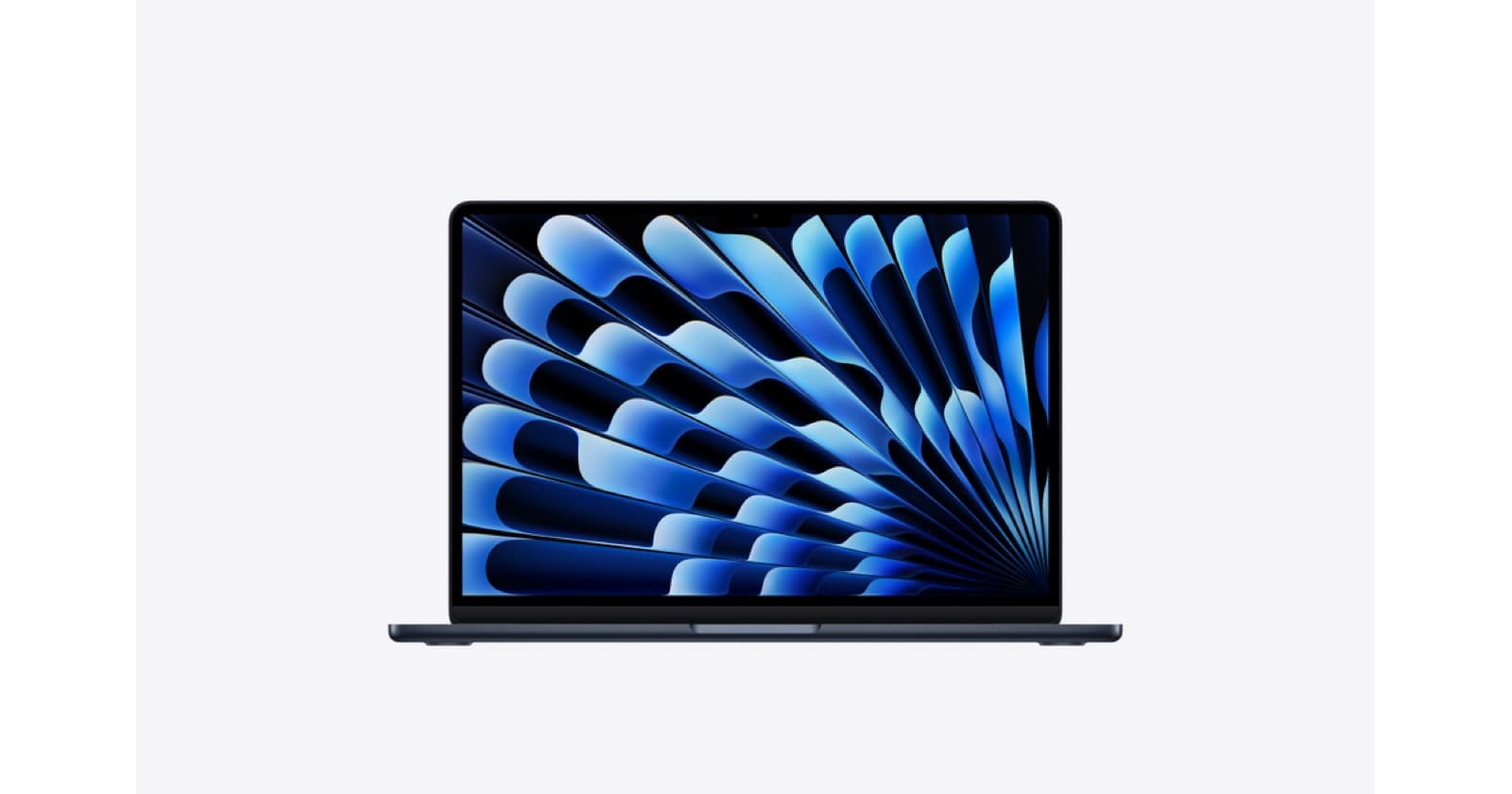
Announced March 3, 2026, the MacBook Air M5 remains the default recommendation and Engadget's overall pick. The M5 brings a 10-core CPU, up to 10 GPU cores with a Neural Accelerator inside each one, and memory bandwidth around 153.6GB/s. Base storage doubled to 512GB and SSD speeds roughly doubled with it, which quietly ends the slow-base-model problem. The N1 chip adds Wi-Fi 7 and Bluetooth 6. It is fanless, so it is silent, and it clears a full working day. The single flaw is the display: 500 nits, P3, and still 60Hz with no touch, which every review of this generation flags.
Best for sustained work: MacBook Pro 14-inch (M5 Pro)
Announced on March 3, 2026 alongside the Air, the MacBook Pro 14-inch M5 Pro is the machine to buy when your workloads run for hours rather than minutes. The M5 Pro and M5 Max are Apple's first chips built on its Fusion Architecture, bonding two 3nm dies into one SoC, and they replace efficiency cores with a new power-efficient performance core design. Apple quotes up to 30 percent faster multithreaded performance than M4 Pro. You also get a 120Hz mini-LED Liquid Retina XDR display, on-chip Thunderbolt 5 controllers with a dedicated controller per port, and the N1 networking chip. It is heavier, louder under load, and far more capable.
Best budget buy: MacBook Neo
Apple's genuinely new idea this year. Announced March 4, 2026 and on sale from March 11, the MacBook Neo is the first Mac built around an A-series chip rather than an M-series one, using binned A18 Pro silicon left over from iPhone 16 Pro production with one GPU core disabled. It has a 13-inch Liquid Retina display at 2408x1506 and 500 nits, no notch, 8GB of memory, two USB-C ports, a headphone jack and fanless cooling. The compromises are real: sRGB rather than P3, a 1080p camera, no backlit keyboard, a mechanical trackpad, and Touch ID only on the 512GB model. iFixit called it Apple's most repairable laptop in fourteen years.
Best Windows ultraportables: Surface Laptop 8 and HP OmniBook Ultra 14
Microsoft's Surface Laptop 8 reached consumers on June 16, 2026 with Snapdragon X2 Plus or X2 Elite, 120Hz HDR panels on the 13.8-inch and 15-inch models, up to 64GB of memory, a removable SSD and a hardware privacy screen toggled from the F1 key. Business configurations run Intel Core Ultra Series 3 up to the Core Ultra X7 368H with Arc B390 graphics. Reviewers rate the keyboard, touchpad and camera very highly and the value proposition poorly. Engadget's Windows pick instead is the HP OmniBook Ultra 14, which pairs a 14-inch 4K OLED panel at 120Hz with Core Ultra silicon and very long quoted battery life, and which answers the Surface's biggest weakness: no OLED option.
Best 2-in-1 and best business machine
If you want the screen to detach, the Surface Pro 12th Edition is the one to get. It runs the same Snapdragon X2 Plus and X2 Elite silicon as the Surface Laptop 8 in a 13-inch tablet with a 2880x1920 PixelSense Flow display at 120Hz, an optional OLED panel, Wi-Fi 7, up to 64GB of memory and a removable SSD. For fleet and travel duty, the Lenovo ThinkPad X9-14 Aura Edition is the current spiritual successor to the X1 Carbon, combining the ThinkPad keyboard and manageability with a thin chassis and the long runtime that category now expects. Both are Copilot+ PCs with on-board NPUs, which matters for local Windows AI features.
Best gaming laptop, and what to skip
For portable gaming, the ASUS ROG Zephyrus G14 is still the compact 14-inch OLED machine most reviewers reach for, because it balances discrete graphics against a chassis you can actually carry to an office. Now the skips. Skip the 13-inch Surface Laptop, which runs first-generation Snapdragon X silicon at 60Hz and muddies an otherwise clear lineup. Skip 8GB Windows configurations entirely; even budget reviews now call that insufficient. And skip buying storage you can never change: on every Apple machine here and on most Windows ultraportables, memory is soldered, so configure once and configure up.
Pros
Cons
Comparison
MacBook Air M5
The default pick for most people. Fanless and silent, 512GB base storage, Wi-Fi 7 and all-day battery, in 13-inch and 15-inch sizes. Held back only by a 60Hz non-touch display.
MacBook Pro 14-inch M5 Pro
For sustained creative and engineering work. Apple's first Fusion Architecture silicon, a 120Hz mini-LED XDR display and Thunderbolt 5 with a dedicated controller per port. Heavier and far more capable than the Air.
MacBook Neo
Apple's entry-level laptop, built on binned A18 Pro silicon with 8GB of memory and a notchless 13-inch screen. Cuts a lot, but iFixit rates it Apple's most repairable notebook in fourteen years.
Surface Laptop 8
The Windows ultraportable with the best input and a one-key hardware privacy screen. Snapdragon X2 or Intel Panther Lake, up to 64GB memory and a removable SSD. Contested on value, and no OLED option.
Surface Pro 12th Edition
The 2-in-1 to buy. Snapdragon X2 silicon behind a 13-inch 2880x1920 PixelSense Flow display at 120Hz with an optional OLED, Wi-Fi 7 and the same removable storage as the Surface Laptop 8.
HP OmniBook Ultra 14
Engadget's Windows pick, pairing a 14-inch 4K OLED panel at 120Hz with Core Ultra silicon and unusually long quoted battery life. The OLED answer to the Surface Laptop 8's IPS-only displays.
Lenovo ThinkPad X9-14 Aura Edition
The business laptop for people who type all day. Carries the ThinkPad keyboard and fleet manageability into a genuinely thin chassis, with the long battery life the category now demands.
ASUS ROG Zephyrus G14
The compact gaming laptop that doubles as a work machine, with a 14-inch OLED display, discrete graphics and a port selection that includes a microSD reader. Portable enough to actually travel.
FAQ
Yes for most people. The Air has 16GB of memory against 8GB, a P3 display, a 12MP camera, Thunderbolt ports and far more headroom. The MacBook Neo makes sense for students, secondary machines and institutions that value repairability.
Most people should buy the MacBook Air M5 and stop thinking about it. If your work runs long, the MacBook Pro 14-inch M5 Pro is the upgrade that pays for itself; if you need Windows, the Surface Laptop 8 has the best keyboard and a privacy screen nobody else sells, while the HP OmniBook Ultra 14 has the panel it lacks. The MacBook Neo is the surprise of the year at the bottom of the range.