The Best Smartphones Right Now: A US Buyer's Shortlist
This has been an unusually busy year for phones, and an unusually expensive one: a global memory and storage shortage has pushed prices up across almost every brand. The good news is that the hardware is genuinely better. Samsung shipped a panel that hides your screen from the person next to you, Google rebuilt its zoom camera, and Apple put a moving aperture behind glass for the first time. Here are the seven phones worth your money in the US right now, and the reasoning behind each.
How we would choose
Start with the operating system, because nothing else in this list overrides it. Then pick the camera you will actually use: a long telephoto matters far more to most people than another half-stop on the main lens, and a wide aperture matters more than megapixels. Third, weigh support length. Samsung and Google both publish seven-year OS update commitments now, which changes the maths on a flagship purchase considerably. Fourth, be honest about size: several of the best phones this year run past 220g, and that is a real daily cost. Battery and charging come fifth, because every phone here clears a day. Benchmarks come last; they have stopped predicting how a phone feels.
The best all-round flagship: iPhone 18 Pro Max
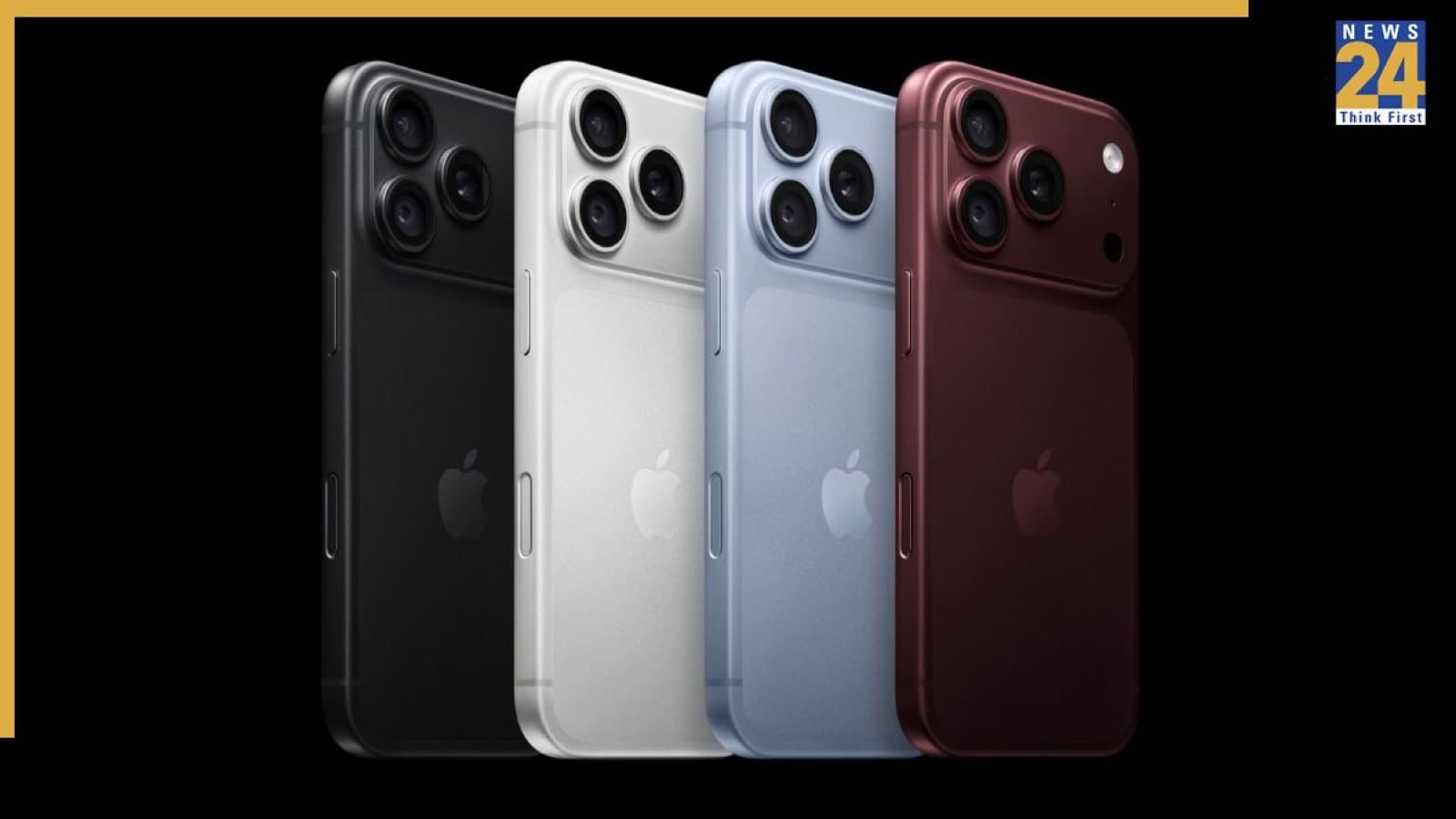
Apple's 6.9-inch Pro landed on September 18, 2026 after a September 9 announcement, and the headline is optical rather than computational. A six-blade physical aperture behind the 48MP main camera selects f/1.48, f/1.8, f/2.8 or f/4.0, with manual shutter, white balance and a live histogram in the Camera app. Behind it sits the 2nm A20 Pro, with a Neural Engine doubled to 32 cores and 50 percent more memory bandwidth, and Apple's longest-ever quoted battery figures, up to 30 hours of typical use. The Dynamic Island shrank and now holds three Live Activities. At 249g it is heavy, and the ultra wide and telephoto keep fixed apertures.
The best Android camera: Pixel 11 Pro XL
Google's 6.8-inch flagship, on sale since August 20, 2026, wins on reach and on decision-making. The 5x telephoto moves to a physically larger 48MP sensor with better optics, and AI-assisted Pro Zoom now stretches to 120x. The LTPO panel peaks around 3,600 nits, which is the brightest screen in this list. Tensor G6 is the compromise: reviewers consistently place it behind Apple and Qualcomm silicon on CPU work, and the PowerVR GPU has no hardware ray tracing. Battery capacity actually dipped slightly to 5,115mAh and endurance is flat year over year. Seven years of OS updates and Gemini Intelligence make up a lot of ground.
The best do-everything Android: Samsung Galaxy S26 Ultra
Released March 11, 2026, the Samsung Galaxy S26 Ultra remains the most feature-dense phone you can buy. The 200MP main camera widens to f/1.4, the 5x periscope widens to f/2.9 using a new All Lens On Prism mechanism, and there is still a 50MP ultra wide, a 10MP 3x telephoto and an S Pen in the body. Its party trick is the Privacy Display, built at the panel level rather than as a stick-on film, which narrows viewing angles on demand and can be applied to individual apps or notifications. Snapdragon 8 Elite Gen 5 runs worldwide on this model, 60W wired charging is the fastest Samsung has shipped, and updates run to 2033.
Foldables: Samsung Galaxy Z Fold 8 and the wide-screen gamble
Samsung split its book-style foldable in two on August 7, 2026. The Samsung Galaxy Z Fold 8 is the new wide model, with a 5.5-inch cover screen and a 7.6-inch 4:3 inner display, and at 201g it is the lightest book-style foldable available, lighter even than the Galaxy S26 Ultra. The Z Fold 8 Ultra is the traditional successor, with a 6.5-inch 21:9 cover display, an 8.0-inch inner panel reaching 3,000 nits and the 200MP camera. Both run Snapdragon 8 Elite Gen 5, both add Flex Titanium to reduce crease visibility, and both jump to 45W charging. The knocks: an IP48 rating, no S Pen support and no Privacy Display.
The value end: Pixel 11, Galaxy S26 FE and iPhone Air
The Pixel 11 shares Tensor G6, Gemini Intelligence and the seven-year update promise with its Pro siblings, trading the LTPO panel for an FHD+ 120Hz screen while keeping a 5x telephoto and gaining a new 48MP main sensor with a larger 1/1.56-inch area. It is the sensible Pixel. The Samsung Galaxy S26 FE, announced August 27 and released September 4, 2026, ships on Android 17 with One UI 9, an Exynos 2500, a 50MP main camera and updates through 2033, though it drops to Wi-Fi 6E and a USB 2.0 port. The iPhone Air remains Apple's thin-and-light option and supports the advanced Apple Intelligence features that older iPhones do not.
What to skip, and what to wait for
Skip any 128GB configuration; Samsung has already dropped that tier on the Galaxy S26 and everyone else is heading the same way as app sizes grow. Skip last year's flagships unless the discount is severe, because this generation moved meaningfully on cameras rather than just chips. If you want a foldable and can wait, Apple announced the iPhone Duo on September 9, 2026 for an October 23 release, with a 7.6-inch inner display, a 5.4-inch cover screen and iPad-style multitasking; it will reshape this part of the market whether or not the first version is any good. Google's Pixel 11 Pro Fold is the other option, sharing Tensor G6 and an 8.0-inch inner panel.
Pros
Cons
Comparison
iPhone 18 Pro Max
For the buyer who shoots seriously and wants Apple's ecosystem. A physical variable aperture on the 48MP main camera, the 2nm A20 Pro and the longest battery life Apple has ever quoted. Heavy, and priced accordingly.
Pixel 11 Pro XL
For long-reach photography and the longest update commitment. A bigger 48MP 5x telephoto sensor, 120x Pro Zoom, a 3,600-nit LTPO panel and Gemini Intelligence. Tensor G6 remains the weak point on raw speed.
Samsung Galaxy S26 Ultra
For people who want every feature in one slab. A 200MP f/1.4 main camera, a 5x periscope at f/2.9, an S Pen, Snapdragon 8 Elite Gen 5 worldwide and a panel-level Privacy Display nobody else offers.
Samsung Galaxy Z Fold 8
For foldable buyers who hate weight. A 7.6-inch 4:3 inner display, a 5.5-inch cover screen and 201g, making it the lightest book-style foldable on sale. No S Pen, and an IP48 rating rather than IP68.
Pixel 11
For the buyer who wants Google's software without flagship outlay. Tensor G6, Gemini Intelligence, a new 48MP main sensor, a 5x telephoto, a 120Hz FHD+ screen and the same seven years of OS updates.
Samsung Galaxy S26 FE
For a mid-range Android that will last. Released September 4, 2026 on Android 17 and One UI 9, with a 50MP main camera, 45W charging and security support through 2033. Wi-Fi 6E and USB 2.0 are the cutbacks.
iPhone Air
For iPhone buyers who prize thinness above all. It supports the advanced Apple Intelligence features restricted to newer hardware, including the more expressive Siri voices introduced with iOS 27.
FAQ
It splits by intent. The iPhone 18 Pro Max gives you optical control through a physical variable aperture. The Pixel 11 Pro XL reaches further with a larger 5x telephoto sensor. The Samsung Galaxy S26 Ultra offers the widest range of useful focal lengths.
If you want one recommendation, the iPhone 18 Pro Max and the Samsung Galaxy S26 Ultra are the two most complete phones on sale, and your existing ecosystem decides between them. The Pixel 11 Pro XL is the enthusiast pick for zoom and software, the Pixel 11 and Galaxy S26 FE are where the value sits, and the Galaxy Z Fold 8 is the first foldable light enough to carry without resentment.