Best Smartwatches and Fitness Trackers Right Now in the US
2026 was the year wearables stopped adding features and started rebuilding sensors. Apple redesigned its optical array and now reads heart rate every five seconds all day. Samsung dropped its own silicon for Qualcomm's. Oura shipped a thinner ring with fewer LEDs and better accuracy. The result is a category where the health data is finally interesting again, rather than a step count with notifications attached. Here are the eight worth your money in the US, and the one question that decides most of them.
How we would choose
Your phone makes the first cut and it is non-negotiable: Apple Watches need an iPhone, and Wear OS watches need an Android phone. After that, decide whether you want a screen on your wrist at all, because rings and straps do sleep and recovery tracking better precisely by not being a computer. Third, be realistic about charging. Most smartwatches here run about a day; if that annoys you, buy an Ultra-class device or a Garmin. Fourth, look at which specific metrics a device actually measures rather than how many it lists. And fifth, check the update commitment, which now varies wildly between brands.
Best for iPhone: Apple Watch Series 12
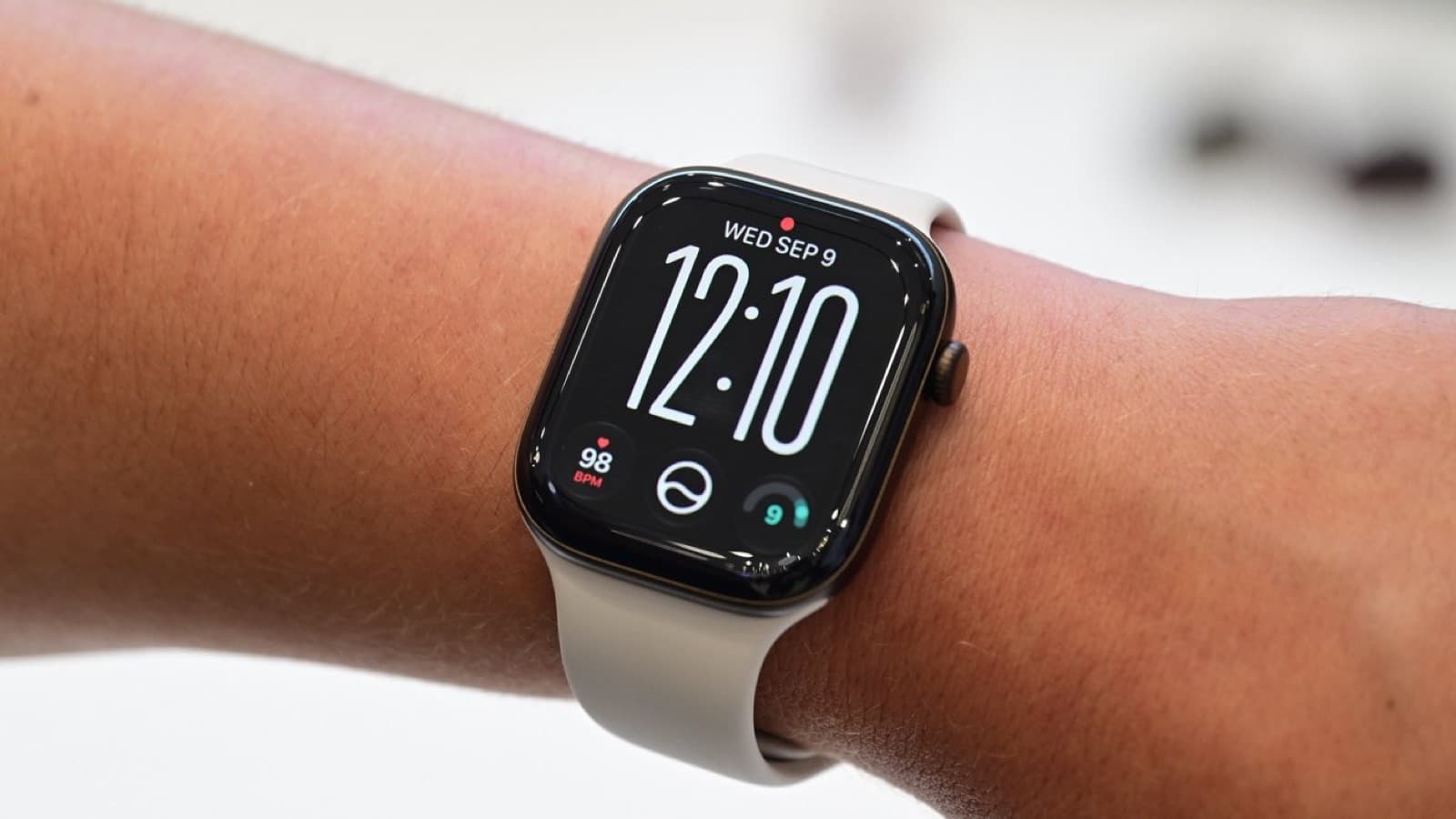
Announced September 9, 2026 and available from September 18, the Apple Watch Series 12 is the first genuinely new sensor platform Apple has shipped in years. The Health Sensing System uses a larger ECG electrode surface, photodiodes arranged in a ring and brighter, more efficient green LEDs, driven by the new S11 chip's always-on processor. Heart rate is sampled every five seconds around the clock and HRV up to 24 times more often than before, feeding a 0-to-10 Readiness score with four plain-English states. Audio Intelligence adds Sound Recognition, Live Rewind and Siri Recap later in the year. Battery stays rated at 24 hours, which is the catch.
Best for endurance: Apple Watch Ultra 4 and Galaxy Watch Ultra 2
The Apple Watch Ultra 4, also announced September 9, 2026, is the Apple Watch to buy if nightly charging irritates you. It pairs the same S11 chip and redesigned Health Sensing System with a larger battery for roughly two days of use and up to 45 hours of extended workout tracking, in a 49mm titanium case rated to 100m with built-in satellite communications. On the Android side, the Samsung Galaxy Watch Ultra 2 is a single 47mm grade 4 titanium device, 12 percent thinner than its predecessor despite a 35 percent larger battery, certified to EN13319 for diving, logging depth and water temperature, and able to connect to third-party cycling power meters and cadence sensors.
Best for Android: Samsung Galaxy Watch 9 and Pixel Watch 5
Released August 7, 2026, the Samsung Galaxy Watch 9 is the first Galaxy Watch on Qualcomm's Snapdragon Wear Elite platform and the first shipping Wear OS 7 with One UI 9 Watch. It uses sapphire crystal over an aluminium cushion case at 8.6mm thick, adds an antioxidant index, an index derived from advanced glycation end-products and a blood pressure trend feature, and carries five years of OS and security updates. The Pixel Watch 5, on sale since August 20, 2026, counters with Gemini on the wrist, a 3,000-nit domed display, the Snapdragon W5 Gen 2 with more memory, and cloud-assisted GPS post-processing that Google says roughly doubles route accuracy in dense cities and under tree cover.
Best screenless tracker: Oura Ring 5
Available since June 2026, the Oura Ring 5 is the pick if you want the data without the display. It is considerably thinner than the Oura Ring 4, with improved accuracy and battery life, an optional charging case and GLP-1 medication tracking, and it does it with 12 LED sensors rather than the 18 in the previous generation. Rings win on sleep specifically, because people who will not wear a watch to bed will wear a ring. Two caveats worth knowing: Oura's most useful insights sit behind a subscription, and the company drew sustained criticism in 2025 over a data-sharing partnership and again in late 2025 over reports of overheating units.
Best for running, and the value pick
Serious runners should still buy Garmin. The Garmin Forerunner 970 carries the Elevate V5 optical heart rate sensor, a built-in speaker and microphone for calls and an LED flashlight, and it runs for days rather than hours, which is the whole argument. Garmin also refreshed the entry level in May 2026 with the Forerunner 70 and Forerunner 170, both with 1.2-inch AMOLED touchscreens. At the value end of the smartwatch market, the Apple Watch SE 3 is the sensible buy: it was the first SE with an always-on display, and it keeps the core health, safety and notification features that most people actually use daily.
What to skip, and what to think twice about
Skip any watch that promises medical-grade insight from a single sensor; the useful devices here combine optical, electrical and impedance sensing, and they still frame results as trends rather than diagnoses. Think twice before buying purely on the newest metric: glycation and antioxidant indices are genuinely novel, but independent validation lags launch by a long way, and Apple's accuracy claims for the Series 12 had no third-party testing at the time of writing. And think hard about subscriptions. A ring or a strap with a monthly fee can outrun the cost of a watch within two years, which changes the comparison entirely.
Pros
Cons
Comparison
Apple Watch Series 12
The best all-round smartwatch for iPhone owners. A rebuilt Health Sensing System, heart rate every five seconds, a 0-to-10 Readiness score and Audio Intelligence. Still rated at 24 hours of battery.
Apple Watch Ultra 4
The Apple Watch for people who resent charging. Two days of battery, up to 45 hours of extended workout tracking, a 49mm titanium case rated to 100m and built-in satellite communications.
Samsung Galaxy Watch 9
The Android flagship. Snapdragon Wear Elite silicon, Wear OS 7 with One UI 9 Watch, sapphire crystal, antioxidant and glycation indices, blood pressure trends and five years of updates.
Samsung Galaxy Watch Ultra 2
Samsung's adventure watch in a single 47mm grade 4 titanium size, 12 percent thinner with a 35 percent larger battery, EN13319 dive certification and support for third-party cycling sensors.
Pixel Watch 5
The most polished Wear OS software experience, with Gemini on the wrist, a 3,000-nit domed display and cloud GPS post-processing that Google says doubles route accuracy in difficult environments.
Oura Ring 5
The best sleep and recovery tracker for people who will not wear a watch to bed. Thinner than the Ring 4, with better accuracy and battery life, an optional charging case and GLP-1 tracking.
Garmin Forerunner 970
The running watch to beat, with the Elevate V5 heart rate sensor, an onboard speaker and microphone, an LED flashlight and multi-day battery that no smartwatch here approaches.
Apple Watch SE 3
The value pick in Apple's line and the first SE with an always-on display. It keeps the health, safety and notification features most people use, without the new sensor array or ceramic finishes.
FAQ
No. Both the Samsung Galaxy Watch 9 and the Pixel Watch 5 run Wear OS and pair with Android phones only. Apple Watches likewise require an iPhone, so your handset decides this purchase before any feature comparison does.
Your phone picks the platform, then the question is how much you hate charging. iPhone owners should take the Apple Watch Series 12 for sensors or the Apple Watch Ultra 4 for endurance. Android owners choose the Samsung Galaxy Watch 9 for health depth or the Pixel Watch 5 for software polish. If you want data without a screen, the Oura Ring 5 is the one; if you race, buy a Garmin and stop reading.