iPhone 18 Pro vs Pixel 11 Pro XL: Optics vs Algorithms
Two flagships, two completely different theories of photography. Apple put a physical, six-bladed aperture behind the main lens of the iPhone 18 Pro Max and gave you manual control of it. Google put a bigger sensor behind the 5x telephoto of the Pixel 11 Pro XL and gave the processing to Tensor G6. One went optical, one went computational. They arrived a month apart, cost roughly the same, and suit genuinely different people. Here is the split.
Launch timing and what you actually get
Google moved first. The Pixel 11 Pro XL was announced at Made by Google in New York on August 12, 2026 and reached US buyers on August 20. Apple followed on September 9, with pre-orders on September 12 and retail availability on September 18. Both are the large model in a two-size Pro line, so the fair comparison is against each other rather than against their smaller siblings. Both start at 256GB and both offer 1TB; only the iPhone 18 Pro Max climbs to 2TB. Both sit at flagship money, and both saw upward price pressure this year from the same memory and storage shortage that has reshaped the whole industry.
Cameras: a moving aperture against a bigger sensor
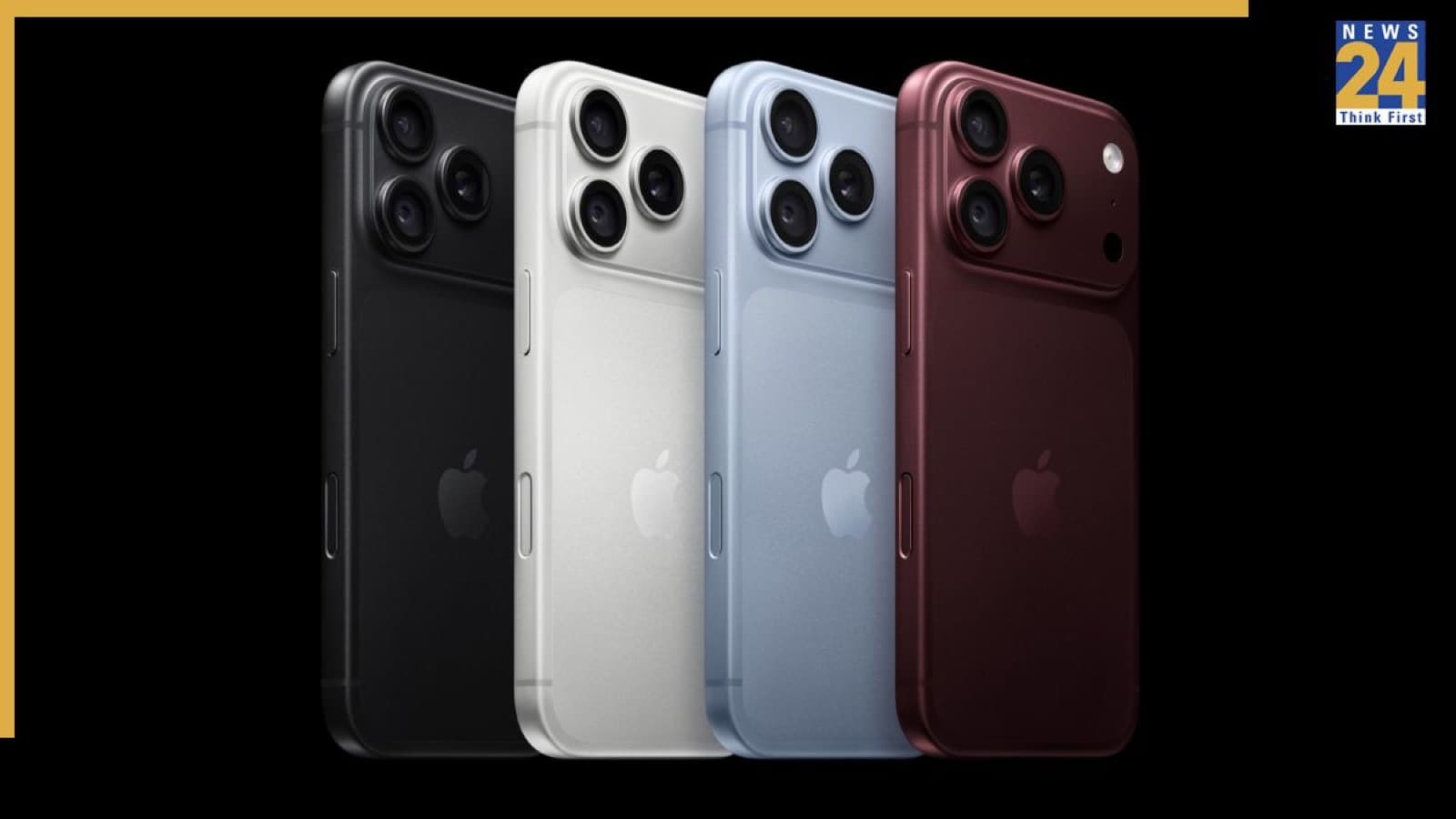
This is the whole argument. The iPhone 18 Pro Max carries a 48MP Fusion main camera whose six laser-cut blades physically select f/1.48, f/1.8, f/2.8 or f/4.0, with manual shutter speed, white balance and a live exposure histogram in the Camera app. That is real depth of field, not a depth map. The Pixel 11 Pro XL counters with a 50MP main at f/1.7, a 48MP ultra wide at f/1.7 covering 123 degrees, and a 48MP 5x telephoto on a physically larger sensor, with AI-assisted Pro Zoom reaching 120x. Apple wins for deliberate, controllable stills and video tooling. Google wins for reach and for grab-it-now shots, where Best Capture does the thinking.
Silicon: the gap is not close
Apple's A20 Pro is built on a 2nm process with super cores replacing performance cores in its 6-core CPU, a seventh GPU core and a Neural Engine doubled from 16 to 32 cores, plus 50 percent more memory bandwidth. Google's Tensor G6 stays on a 3nm TSMC process with one Arm Cortex C1-Ultra core and six C1-Pro cores, and an Imagination PowerVR CXTP GPU with no hardware ray tracing. Reviewers are consistent and unsentimental on this: Tensor trails current Apple and Qualcomm silicon in both single-core and multi-core work, and the graphics gap is wider still. Tensor G6 does improve efficiency, and it swaps Samsung's Exynos modem for a MediaTek part, which targets the signal-hunting battery drain Pixels have long suffered.
Displays, size and the weight you carry
The Pixel 11 Pro XL uses a 6.8-inch LTPO OLED at 1344x2992, roughly 482ppi, running 1-120Hz on a new Samsung M16 panel with peak brightness around 3,600 nits. The iPhone 18 Pro Max uses a 6.9-inch Retina XDR panel at 2868x1320 with a Dynamic Island that is smaller than any iPhone since the 14 Pro and can now hold three Live Activities at once. Google has the brightness headline; Apple has the reclaimed screen area and the better handling of notifications in that space. Neither is light. The Pixel 11 Pro XL is 226g and the iPhone 18 Pro Max is 249g, so both are two-handed phones in practice.
Battery, charging and endurance
Apple quotes its highest-ever iPhone figures here: up to 30 hours of typical use and 45 hours of video on the iPhone 18 Pro Max, with 50 percent in about 15 minutes over USB-C using a 60W-class adapter. Google's numbers are less flattering. The Pixel 11 Pro XL cell actually shrank slightly to 5,115mAh, and reviewers report endurance sitting roughly where the previous generation landed, in the region of six to seven hours of screen-on time. Google is faster to a partial charge, at 45W wired reaching about three quarters in half an hour, plus 25W magnetic wireless. On a long travel day, the iPhone is the safer bet.
Software, AI and how long you keep it
The iPhone 18 Pro Max ships on iOS 27 with on-device Siri AI, custom Siri voices and a Camera app that now exposes aperture as a first-class control. The Pixel 11 Pro XL ships on Android 17 with Gemini Intelligence, which blends cloud Gemini models with on-device Gemma models, plus Proactive Assistance as the successor to Magic Cue. Google's trump card is support length: seven years of major OS updates, backed by a Titan M3 security module that now includes post-quantum cryptography. Apple does not publish a fixed number but has historically supported iPhones for a comparable span. If you keep phones until they die, Google has the clearer written commitment.
Who should pick which
Pick the iPhone 18 Pro Max if you shoot seriously and want optical control, if you edit video on the phone, if you game and want the fastest silicon in a handset, or if your household already runs on an Apple Watch, AirPods and a Mac. Pick the Pixel 11 Pro XL if you want the best long-reach zoom on a phone this size, if you prefer a camera that makes good decisions for you rather than asking you to make them, if Gemini is already in your workflow, or if seven committed years of Android updates settles it. If you are torn purely on cameras, the honest split is this: Apple for intent, Google for reach.
Pros
Cons
Comparison
iPhone 18 Pro Max
A 6.9-inch Retina XDR flagship with the first physical variable aperture in an iPhone, the 2nm A20 Pro, a shrunken Dynamic Island and Apple's longest-ever quoted battery life. Heavier, pricier, faster.
Pixel 11 Pro XL
A 6.8-inch LTPO flagship built around a bigger 5x telephoto sensor, 120x Pro Zoom, a 3,600-nit panel and Gemini Intelligence, with seven years of OS updates. Slower silicon, flat battery life.
FAQ
It depends what you shoot. Apple's variable aperture gives real optical control over depth of field on the main lens. Google's larger 5x telephoto sensor and 120x Pro Zoom reach much further. Neither is simply better.
The iPhone 18 Pro Max is the better tool and the faster computer; the Pixel 11 Pro XL is the better companion and the longer-supported one. If you want to make photographic decisions, Apple now lets you make them with glass rather than software. If you want a phone that reaches further and quietly gets it right, Google still has that. Ecosystem will decide most of these purchases, and that is fine.