Sony's 2026 US Lineup: What to Buy and What to Skip
Sony does not refresh everything every year, which makes its 2026 range unusually easy to read. The television side got a genuine reinvention in the form of True RGB mini-LED backlights, while the most acclaimed OLED in the range simply carried over. On the audio side, the flagship over-ears held their ground and the earbuds finally got their turn. There is one baffling decision running through the whole TV lineup, and it is worth knowing about before you spend.
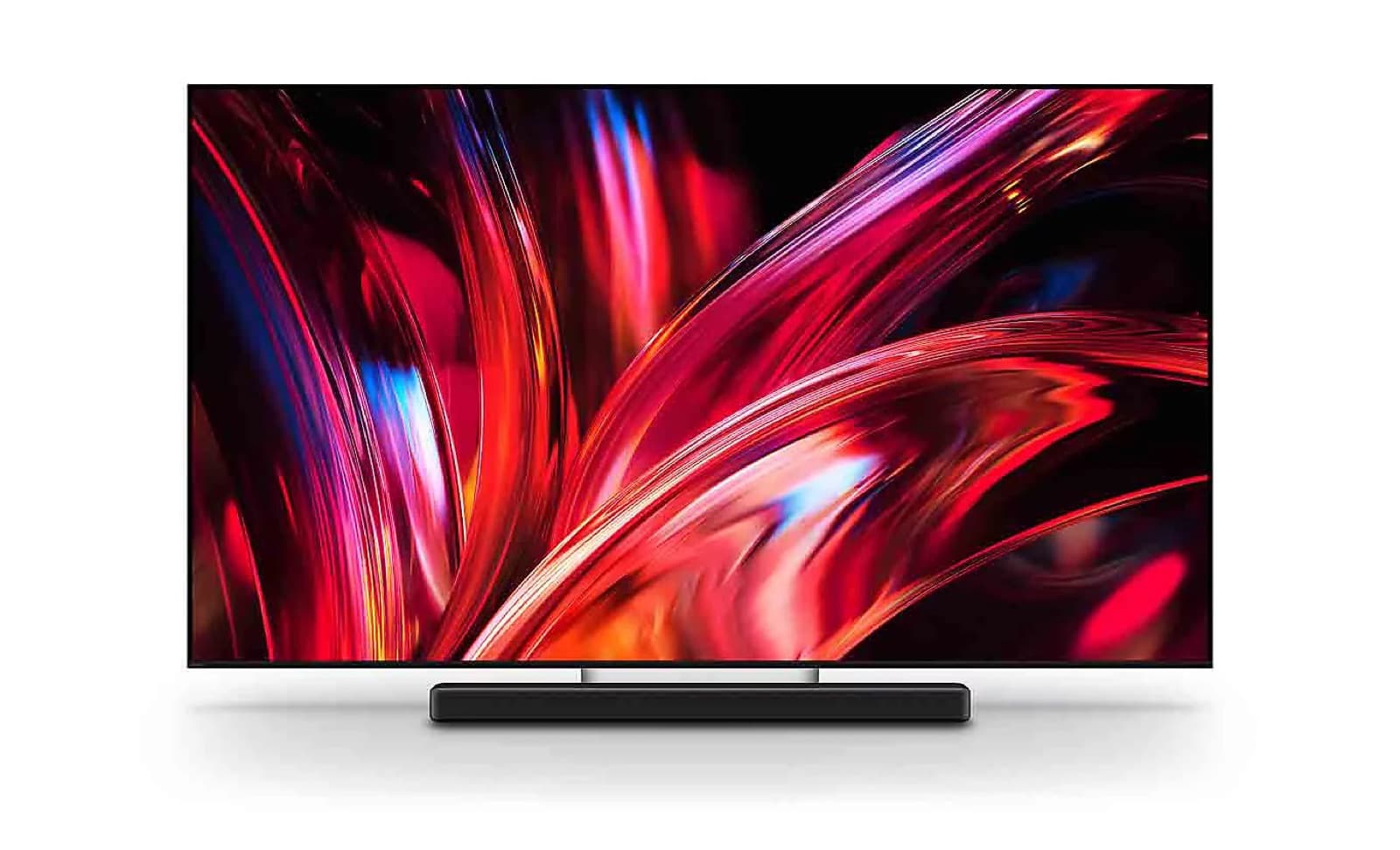
The 2026 headline: True RGB
Sony's 2026 story is not a brighter OLED panel or another incremental mini-LED tweak. It is True RGB, Sony's name for a backlight that uses independently controlled red, green and blue LEDs rather than white or blue emitters shining through a color layer. Sony argues this reproduces color more accurately while reaching brightness levels OLED cannot, and it developed the flagship with its own professional mastering monitor as the reference. Early hands-on reports say the tracking against that monitor is remarkably close on color accuracy and HDR highlights, while conceding OLED still holds an advantage in perceived depth and image solidity.
Sony Bravia 9 II: the flagship
The Sony Bravia 9 II replaces the original Bravia 9 at the top of the range and is Sony's first commercial RGB mini-LED television. It comes in 65, 75, 85 and a genuinely enormous 115-inch size, runs the XR Processor, and carries a 2.2.2-channel, 80W Acoustic Multi-Audio Plus system with upward-firing drivers for Dolby Atmos and DTS:X. Sony claims twice the color volume of the original Bravia 9 and four times that of its own Bravia 8 II OLED. The catch is connectivity: despite flagship billing, it offers only two HDMI 2.1 sockets, one of which doubles as the eARC output.
Sony Bravia 7 II and Bravia 3 II
The Sony Bravia 7 II may be the more important set. It brings the same True RGB backlight to a far wider range of sizes — 50, 55, 65, 75, 85 and 98 inches — by cutting local dimming zones and peak brightness and fitting a simpler 2.2-channel, 40W Acoustic Multi-Audio array without up-firing drivers. It shares the same two-HDMI-2.1 limitation. Further down, the Sony Bravia 3 II drops back to a conventional direct LED panel across 43 to 100 inches, and bizarrely is the one Sony television in the range with four full-bandwidth HDMI 2.1 ports.
The OLED that stayed: Sony Bravia 8 II
Sony did not replace its QD-OLED flagship, and that is not a failure of nerve. The Sony Bravia 8 II remains in the range and remains the set many reviewers reach for when perceived depth and cinematic authenticity matter more than raw output. It uses Sony's latest QD-OLED panel with a claimed brightness advantage over the older A95L, the XR Processor with AI scene recognition, and the Acoustic Surface Audio Plus system that vibrates the screen itself with two subwoofers behind it. Reviewers who compared the Bravia 9 II directly against it concluded the OLED still holds its own.
Audio: the 1000X range and beneath it
The Sony WH-1000XM6 remains the flagship over-ear and the best all-round noise canceller on sale, with the QN3 processor, a 30mm soft-edge dome driver, folding hinges, LDAC, Bluetooth LE Audio, Auracast and a stated 30 hours. Sony finally refreshed the earbuds in February 2026 with the Sony WF-1000XM6, launched in black and platinum silver with a claimed improvement of roughly a quarter in noise cancellation over its predecessor. Below the flagships, the Sony WH-CH720N and the Sony WF-C710N carry the cancellation story down into affordable territory and both feature regularly in reviewer recommendations.
What is new across the whole range
Several quality-of-life changes apply to every 2026 Bravia rather than any single model. The remote has been redesigned with automatic backlighting, USB-C charging and a body built largely from recycled plastic — a long-overdue fix. A new My Cinema interface makes picture and sound personalization less of a menu crawl. Direct Connect lets compatible Sony rear speakers and subwoofers link wirelessly to supported televisions without a soundbar in between. And the familiar foundations remain: Dolby Vision, Dolby Atmos, DTS:X, Sony Pictures Core, Google TV and Wi-Fi 6 run across most of the lineup.
What to buy, what to skip, what is rumoured
Buy the Sony Bravia 8 II if picture quality in a controlled room is the priority. Buy the Sony Bravia 7 II if you want big, bright and colorful without flagship spending. Buy the Sony WH-1000XM6 without hesitation. Skip the Sony Bravia 9 II unless you specifically need a 115-inch screen or mastering-monitor color, because reviewers consistently suggest a similarly priced OLED serves most buyers better. Skip any Sony flagship if you own multiple consoles, because two HDMI 2.1 ports is not enough. As for rumours: leaked details of a Bravia 6 OLED range have been widely reported, positioned as Sony's most affordable OLED yet, but nothing is official.
Pros
Cons
Comparison
Sony Bravia 9 II
The True RGB flagship in 65 to 115-inch sizes, with an 80W 2.2.2-channel Acoustic Multi-Audio Plus system and claimed double the color volume of its predecessor. Only two HDMI 2.1 ports is the persistent flaw.
Sony Bravia 7 II
The same True RGB backlight across 50 to 98 inches with fewer dimming zones, lower peak brightness and a simpler 2.2-channel 40W array. Probably the most relevant television in Sony's 2026 range for most buyers.
Sony Bravia 8 II
The carried-over QD-OLED that reviewers still rate for depth, shadow detail and cinematic authenticity, with Acoustic Surface Audio Plus driving sound through the screen itself. The pick for a darkened room.
Sony WH-1000XM6
The flagship over-ear noise canceller, with the QN3 processor, folding hinges, LDAC, LE Audio and Auracast, and the sound quality reviewers rate above every mainstream rival. Still no USB-C listening.
FAQ
Only two on the flagship Bravia 9 II and the Bravia 7 II, with one doubling as the eARC output. Oddly, the far cheaper Bravia 3 II is the one Sony set in the range with four full-bandwidth HDMI 2.1 ports.
Sony's 2026 range is a brand doing something genuinely new on the television side while leaving its best products alone. True RGB is a real advance, the Bravia 7 II is the model most people should look at, and the Bravia 8 II remains the connoisseur's choice. Just check the HDMI port count before you buy anything with a Sony badge this year.