Sneaker Trends 2026: What Is In and What Is Cooling Off
Sneaker culture has stopped shouting. Where the last few years produced one dominant silhouette at a time, 2026 has produced several lanes running in parallel, none of them demanding total loyalty. Flat shoes sit next to retro runners, technical shapes have quietly become normal clothes, and the white sneaker has been rebuilt rather than retired. The one clear casualty is the maximalist chunky shoe. Here is what is actually selling, which models define each direction, and what you can safely stop buying.
The state of play: parallel lanes, no single hype
Trend reporting for 2026 keeps making the same observation: there is no single hero sneaker this year, and that is the story. Slim silhouettes stayed exciting, retro runners refused to fade, technical models settled into everyday rotation, and classics returned with new detailing. The result is a market where styling matters more than ownership. It is less about which shoe you have and more about what you wear it with, which is why the same wardrobe now happily contains a flat leather low-top, a chunky 1990s runner and a trail-derived tech shoe. For shoppers, that freedom is good news: almost nothing you already own is technically out of date.
Low profile is still the default
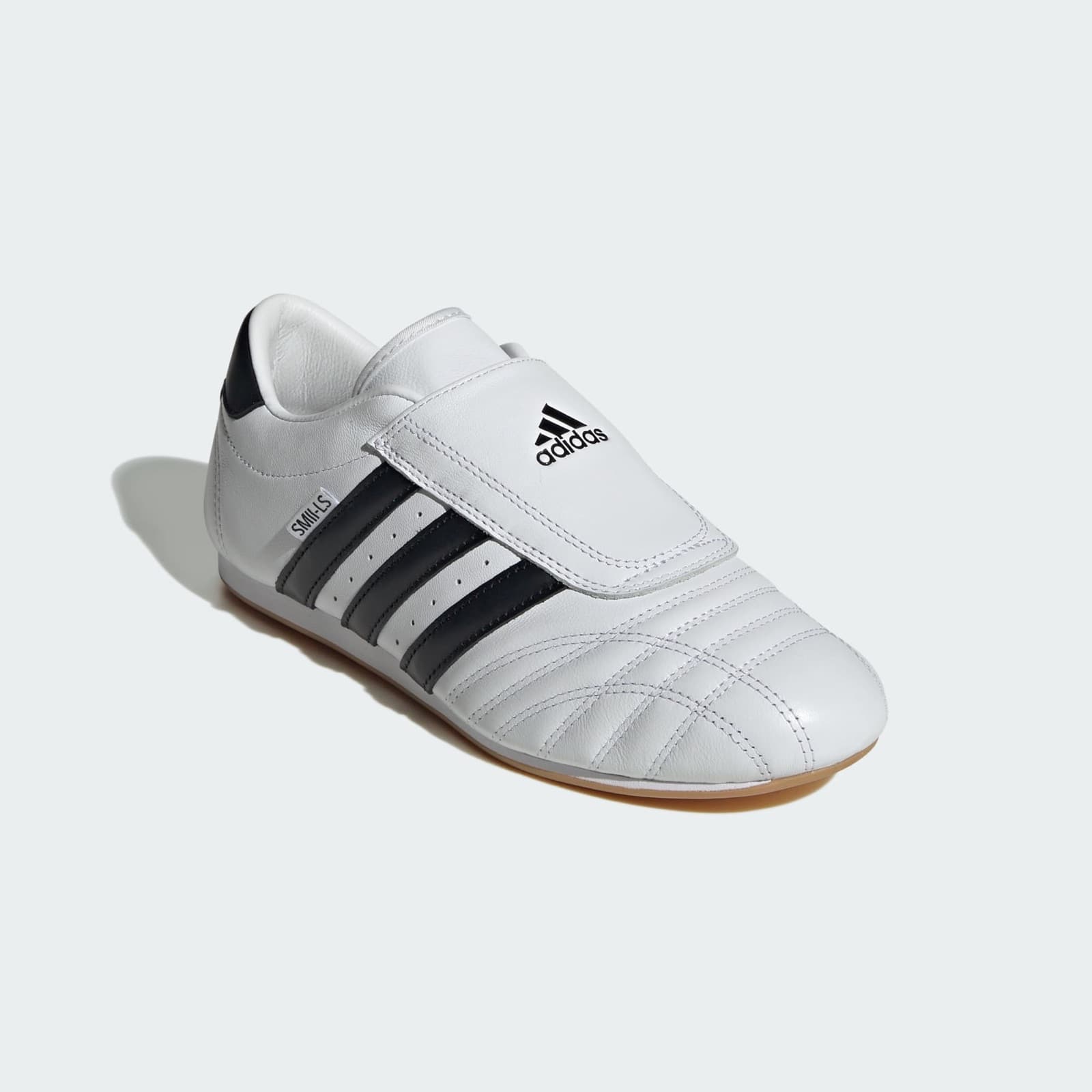
Flatter, sleeker and more direct remains the dominant mood, and the same three models keep getting named: the adidas Taekwondo, the adidas BW Army and the Puma Speedcat. The appeal is legibility. Clean lines, no visual noise, and a shape that balances the volume of the wide-leg denim and slouchy tailoring that has taken over. The adidas Taekwondo has been the standout success story, moving from a martial arts shoe to a Lyst-topping fashion item, and adidas has extended it into a women's Taekwondo Mei variant. The Puma Speedcat covers the same brief with motorsport heritage. Both are cut narrow, which is the one thing nobody mentions in the trend pieces.
Retro runners refuse to leave
Everyone predicted the 2000s runner revival would fade. It has not. The models holding the lane in 2026 are the Nike Air Max 95 in leather Big Bubble form, the Karhu Fusion 2.0, and the ASICS pair of the GT-2160 and Gel-1130. The reason is practical rather than nostalgic: they combine a genuine sports reference with actual cushioning and a shape that works from morning to evening. That makes them the most useful shoes in the category for anyone who walks a lot, in a way flat leather low-tops simply are not. Nike's own Zoom Vomero 5 belongs in this conversation too, effectively a running shoe dressed as a millennium artefact.
Tech silhouettes went mainstream, then went quiet
The gorpcore surge that put trail shoes on city streets has calmed down, but the shoes stayed. Models like the ASICS GEL-Quantum Kinetic SP and the Salomon XT-6 are now read as normal footwear rather than as a statement, joined by lifestyle-adjacent running silhouettes from HOKA, On and New Balance. The register in 2026 is noticeably quieter: less overt outdoor signalling, more integration into ordinary outfits. New Balance has been the biggest beneficiary, since its running heritage lets it play in both the tech lane and the retro lane at once, and RunRepeat flags the New Balance 204L as the brand's breakout low-profile model of the year.
The white sneaker got interesting again
White sneakers never actually left, but the plain white leather cupsole had become wallpaper. In 2026 the category came back with structure, better materials and applied detail rather than minimalism for its own sake. The adidas Superstar II is the clearest example: a silhouette written off as dated for years, now returned to relevance, including embellished treatments such as the rhinestone women's version. The adidas Samba continues to anchor the classic end in leather and suede. The lesson is consistent with everything else this year, which is that shoes with a point of view are outperforming shoes designed to offend nobody.
Mary Janes, slip-ons and the ballet crossover
The most interesting women's development in 2026 is the collision between sneakers and flats. adidas has leaned into it hard, with the Barreda Mary Jane and the Samba Jane joining the Taekwondo Mei on fashion shopping lists alongside the Handball Spezial. The common thread is a low, narrow, ballet-adjacent shape with a strap or a laceless throat instead of a conventional lacing system. Elsewhere the mood for women's styles is contrast rather than matching: sporty shapes against feminine tailoring, or reduced outfits punctuated by a louder shoe such as the Nike Shox Z. Both approaches work, which is rather the point of the year.
What is cooling off
Two things are losing ground. The first is the extremely overloaded chunky sneaker, the layered, oversized, multi-panel kind that dominated the late 2010s. Trend reporting now describes that silhouette as steadily losing attention, and the chunky shoes still performing are the restrained ones. The second is the characterless basic: interchangeable plain sneakers with no detail, no material story and no reference point. In a year defined by parallel lanes and personal styling, a shoe with nothing to say has nowhere to sit. If you are replacing a pair this season, buy the one with a point of view rather than the one that matches everything.
FAQ
The extreme versions are fading. Trend reporting for 2026 describes heavily overloaded chunky silhouettes as losing attention, though restrained chunky models with genuine cushioning and a clear design point of view continue to sell well.
2026 is the least prescriptive sneaker year in a while. Low profile leads, retro runners endure, tech shapes have gone quiet without going away, and white classics have been given something to say. The only real rule is that character beats neutrality. Buy the flat shoe if your wardrobe has volume, the retro runner if you walk, and skip anything designed purely to be inoffensive.